
Warm Welcome, Smart Choices: Why Your Front Desk Sets the Tone
Here’s the straight of it: folks judge a space fast, and your front counter does a heap of that work. Reception Desks do more than greet; they steer flow, calm nerves, and carry daily wear. If you’re eyein’ a marble reception desk, you’re after that cool, steady look that says “we’re solid.” But there’s more under the hood—cable management, ADA clearance, impact resistance. These details decide how well the desk holds up when Monday gets rowdy (and it will). Studies say people form an opinion in seconds. That’s why surface choice, edge profile, and lighting matter. A scuffed top or loose grommet can undo a fine first look—funny how that works, right?

I’ve seen lobbies where traffic spiked after a simple refit: smoother queue lines, better task lighting, and a finish that didn’t stain at the first coffee spill. The desk is a system, not a slab. In our hills, we say, “Fix the root, not the leaf.” Same here. Pay mind to the substrate, the load path, the way wires route, and where a bag lands. So let’s dig in a bit. We’ll lay out what trips folks up, and how to pick with calm and sense, not just shine. Next up, we tackle the hidden snags that come with stone.
Where Traditional Marble Shines—and Stumbles
Is the problem the stone—or the setup?
Marble looks mighty fine. It stays cool. It polishes up nice. Yet the pain points hide in plain sight. The stone is porous. That means it drinks up stains unless you seal it on a regular cycle. Coffee, sanitizer, even toner can ghost the surface. Thermal shock is another one: a hot cup set down hard near a cold draft can stress the edge. Over time, hairline cracks creep in. The weight adds load to the base, so your frame needs the right load rating and levelers. Skimp there, and you’ll see wobble at the corners. Look, it’s simpler than you think: most “marble problems” are really support and care problems.
Here’s the deeper layer. Many installs sit the slab on a weak substrate or uneven plinth. That invites twist. Bad news for stone. Poor cable management leaves wires snaking under elbows. Folks snag them, and your grommets get loose. Sealant cycles get skipped, so porosity rises. Then comes the ghost rings. ADA knee clearance can get tight if you add bracing after the fact—retrofits bite. Edge-banding on adjacent panels may chip if carts whack the corners. These are not fancy issues. They’re shop-floor issues. Solve for the frame, seal, and service plan, and marble becomes less fussy. Skip them, and you pay later—in downtime, in re-polish costs, in goodwill.
Looking Ahead: Materials and Systems That Outwork the Lobby
What’s Next
Now let’s look ahead with a clear head. Newer desks use smarter bones and tougher skins. Think composite cores with better shear strength, sintered stone with low porosity, and nano-sealed finishes that shrug off sanitizer. Frames move to modular chassis with bolt-on panels. That makes swaps fast and clean. Integrated power grommets and wireless charging pads keep the top tidy. Add acoustic baffles under the transaction ledge to cut echo. A modern reception desk may mimic marble’s look with engineered surfaces—lighter, more durable, less fuss. Not just pretty. Practical. The principle is simple: decouple the finish from the structure, and design for serviceability. You fix parts, not the whole counter—saves time, saves cash.
Real-world note: one clinic swapped solid marble for a porcelain slab on an aluminum frame. Same calm look, half the weight. They added an anti-fingerprint coating and better kickplates. Spill calls dropped to near zero. Turnaround for panel repair went from days to under an hour. That’s the power of systems thinking. Plan the load path, choose a substrate that won’t telegraph movement, and route cables through a dedicated spine. Add ADA knee clearance from day one. Then layer in LED task lighting and soft radius edges for safety. It’s not magic—just steady craft. And yes, it still looks high-end.
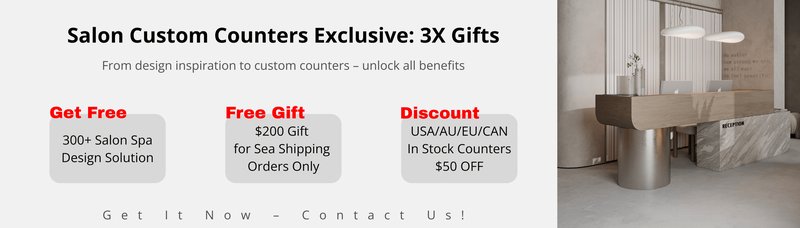
To wrap it up, here are three clear metrics to guide your pick: 1) Durability rating: abrasion class and impact resistance suitable for your traffic. 2) Lifecycle cost per year: include sealant cycles, panel swaps, and downtime. 3) Serviceability index: minutes to replace a panel, grommet, or lockset without shutting the desk. Keep those in your pocket, and you’ll choose with confidence. Take the look you like, match it to a sound frame, and plan the care. That’s how your front desk keeps working while it’s working for you—ain’t that the truth. For deeper specs and examples, see M2-Retail.